Understand the channel
Review access, water depth, working width, dredge reach and the amount and nature of material to be handled.
 Discuss a project ↗
Canal dredging & silt handling
WHH configures floating excavator platforms, crane barges, hoppers and tugs to support dredging and move silt or dredged material through constrained inland-waterway sites.
A complete floating system
Dredging works when excavation, containment and material movement are planned as one continuous process.
WHH can configure the floating work platform at the dredge face, provide hopper capacity for the excavated material and plan the tug movements needed to cycle loads through the site. The arrangement is shaped around water depth, channel width, access, loading reach and the available transfer point.
Material testing, permissions and the final disposal route remain project-specific; our role is to make the marine excavation and waterborne handling system practical.
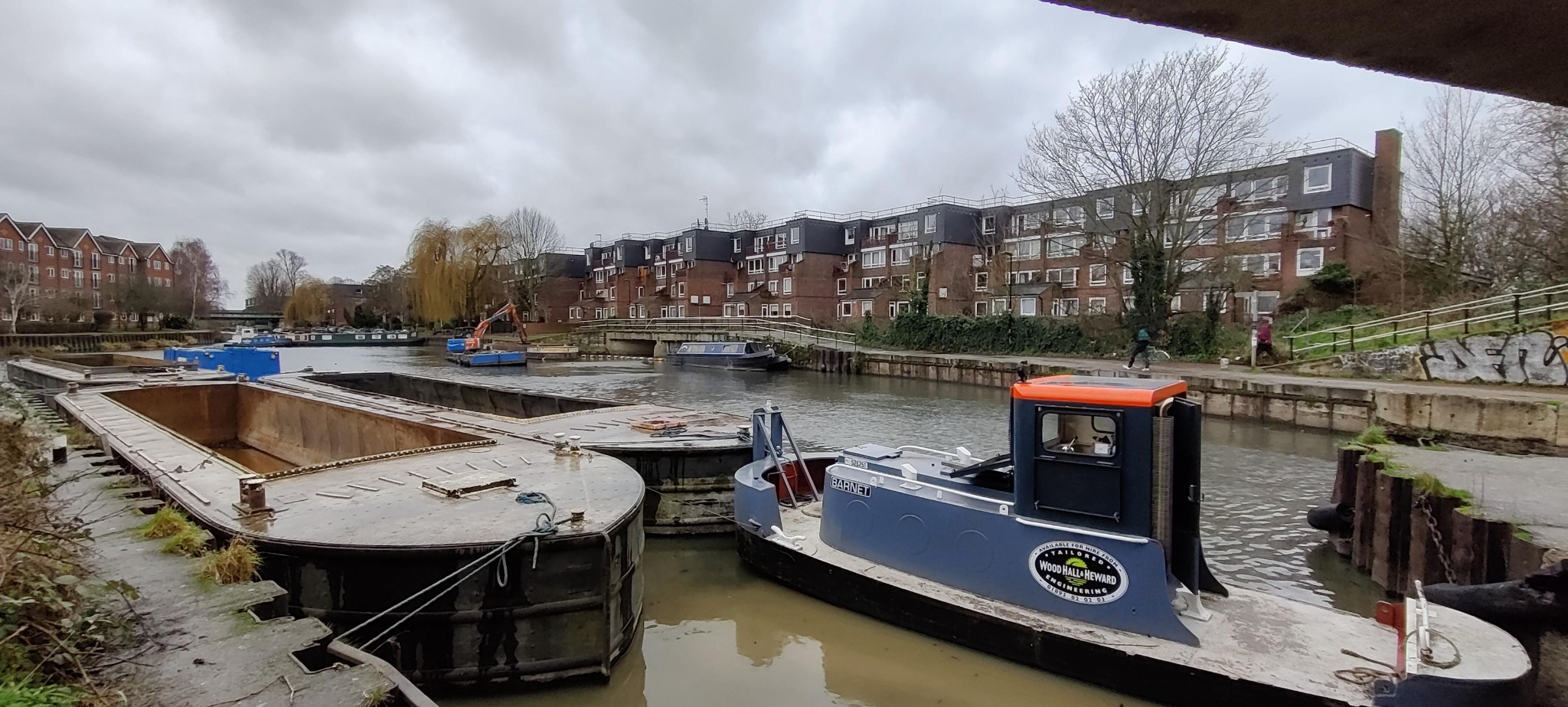
Channel maintenance
A constrained canal may leave little room for the excavator, loaded hopper and passing navigation. The marine setup therefore has to balance working reach, hopper capacity, manoeuvring space and the route to the transfer point.
Because WHH operates tugs, hoppers, crane and HIAB barges and modular platforms, the dredging setup can be assembled around the waterway rather than forcing a standard plant arrangement into it.
Excavation platform · hoppers · tug cycle · material movement
How we build the method
The aim is a dredging operation in which the work platform and material movements support each other.
Review access, water depth, working width, dredge reach and the amount and nature of material to be handled.
Configure an excavator, crane or specialist working platform around the dredge face, available water space and required stability.
Match hopper capacity, tug movements and loading sequence so excavated material can leave the workface without stopping the operation.
Coordinate the waterborne movement and transfer point with the wider project arrangements for material handling, testing and disposal.
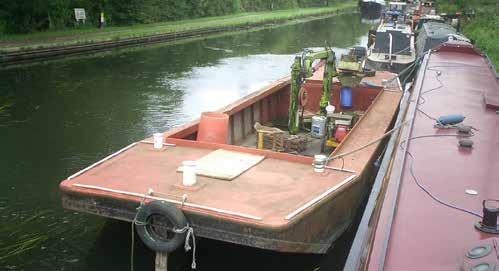
Restricted sites
Smaller road-mobilised HIAB barges and modular platforms create options where beam, headroom or launch arrangements rule out a conventional large dredging spread. Larger hoppers can then be introduced where the route and lock dimensions allow.
Explore crane & HIAB barges →Typical applications
Start with the channel
We can help establish the floating platform, hopper cycle and vessel configuration needed to support a practical dredging operation.
Discuss a dredging project ↗