Plan the linear site
Map access points, loading areas, navigation interfaces and the changing workface along the route before mobilisation.
 Discuss a project ↗
Utilities & towpath works
WHH provides workboats, floating plant and experienced crews for canal cable installation, duct routes and towpath projects where the workface moves and conventional land access is limited.
Linear works from the water
Towpath and utility projects rarely stay in one convenient place.
Plant, reels, materials and excavated spoil must follow a narrow, changing worksite—often beside live navigation and an open public route. Road access may be intermittent or absent altogether.
WHH turns the canal into the project’s working access. We configure craft and equipment around the installation method, move the floating worksite as the job progresses, and coordinate deliveries and removals through suitable waterside laydown areas.
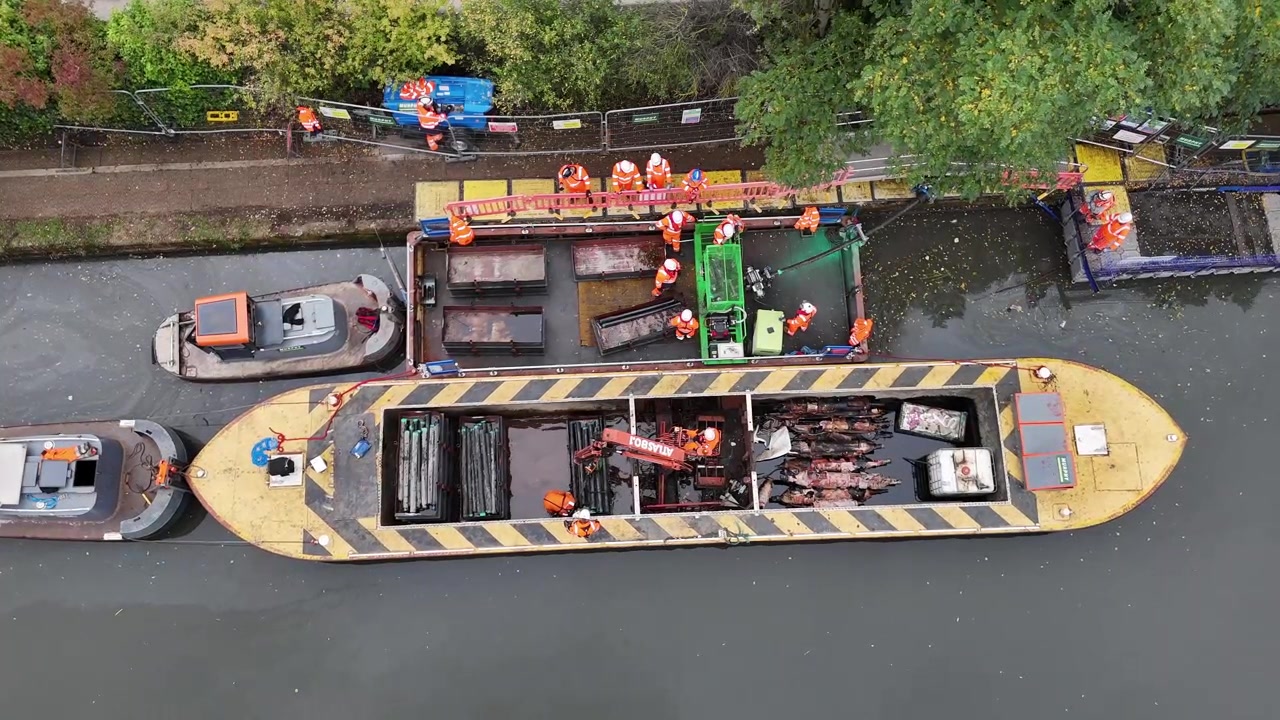
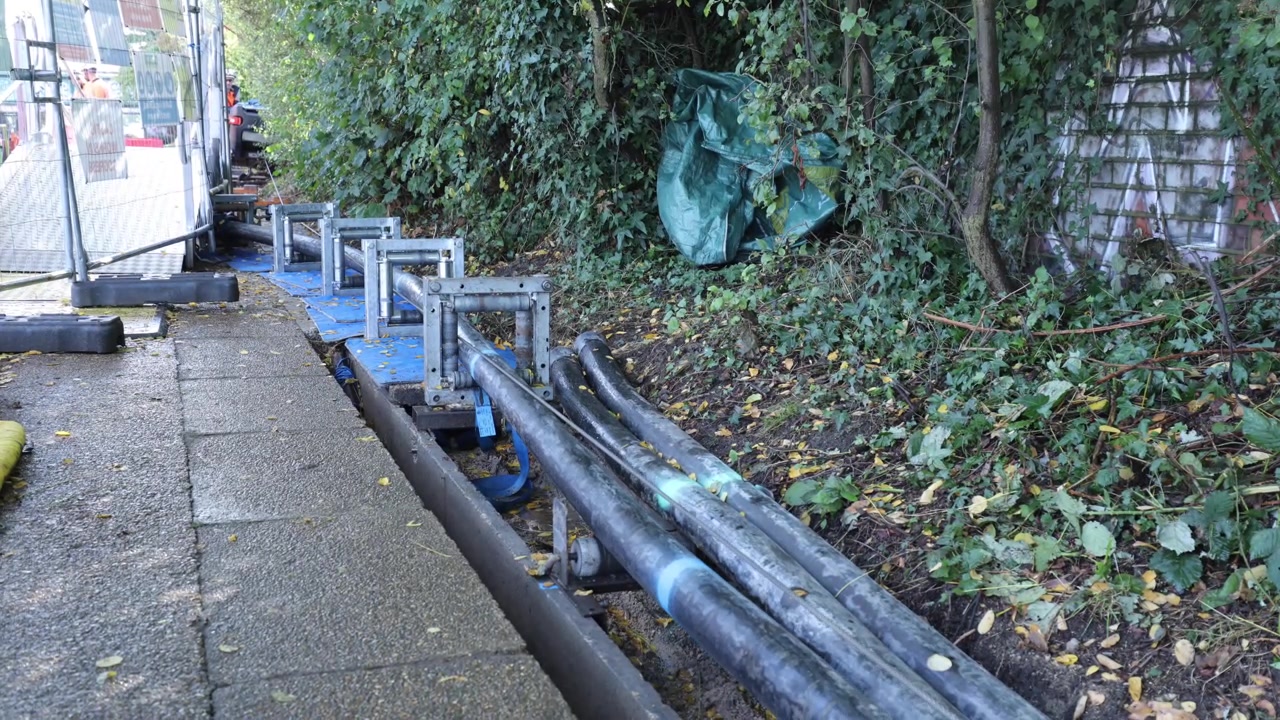
Murphy towpath cable works
The Murphy operation brought together tug movements, workboats, lifting plant, cable-handling equipment and crews in a compact canal corridor.
Rather than treating each vessel as a separate hire, the vessels and equipment were planned as one moving production system: carrying equipment to the workface, supporting cable handling and installation, and adapting as the route advanced.
Marine logistics · custom plant · live towpath interface
Read the full case study →How we support the route
We plan the craft, loading points, movements and site interfaces as an integrated part of the works.
Map access points, loading areas, navigation interfaces and the changing workface along the route before mobilisation.
Combine workboats, hoppers, tugs, lifting plant and project-specific equipment around the task and available water space.
Advance materials, plant and crews along the towpath without depending on continuous vehicle access from land.
Coordinate the operation around navigation, towpath users, residents, other contractors and the wider construction programme.
Plant developed around the task
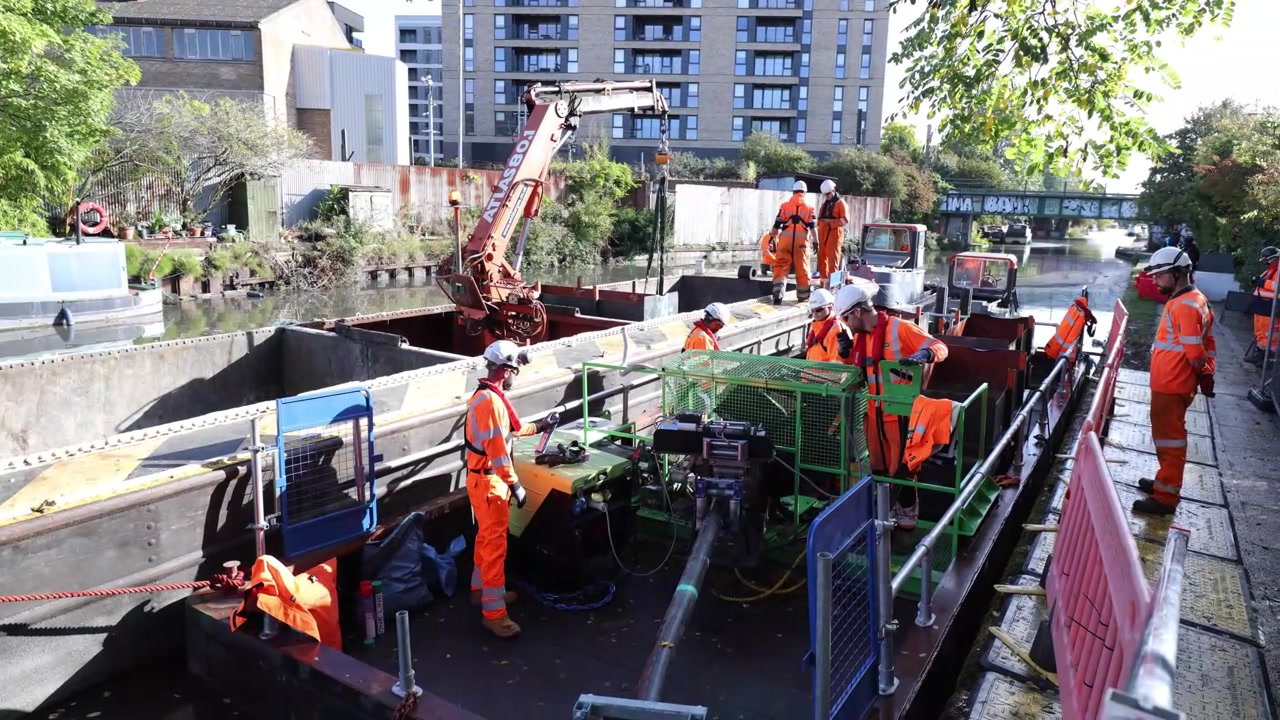
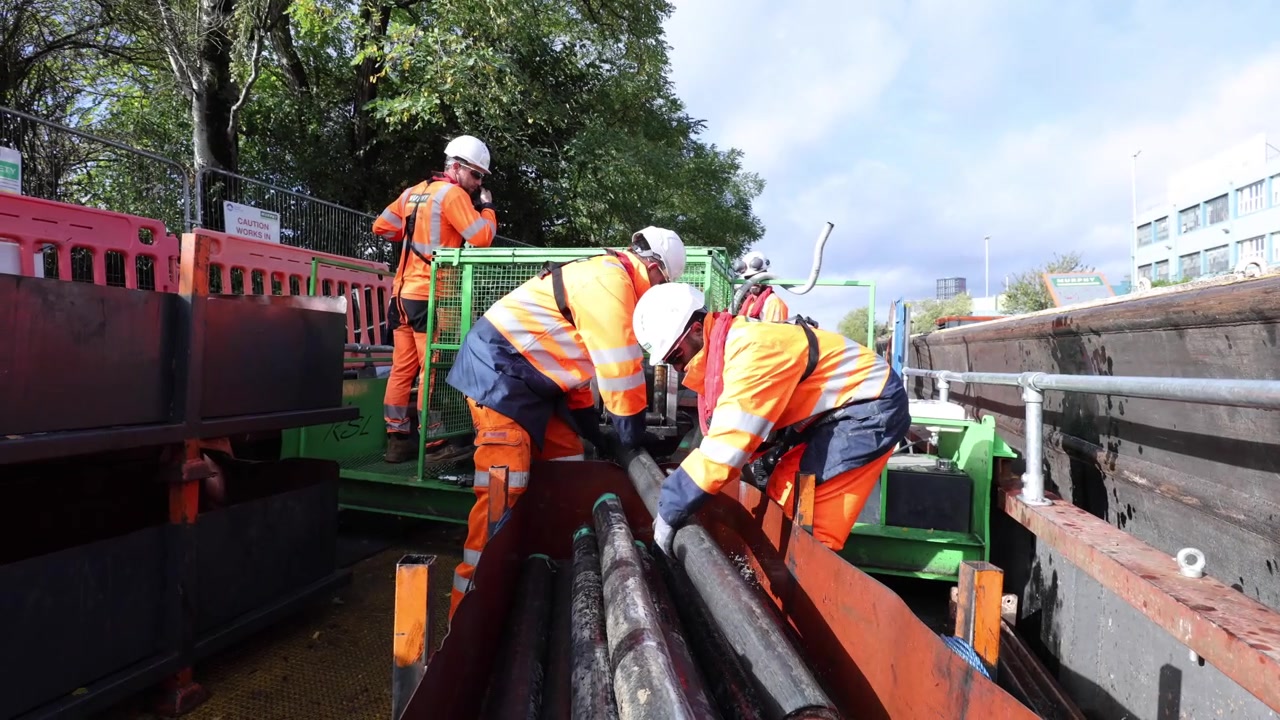
The detail matters: controlled handling, suitable guarding and a layout that crews can operate safely within a confined floating workspace.
Materials to the workface
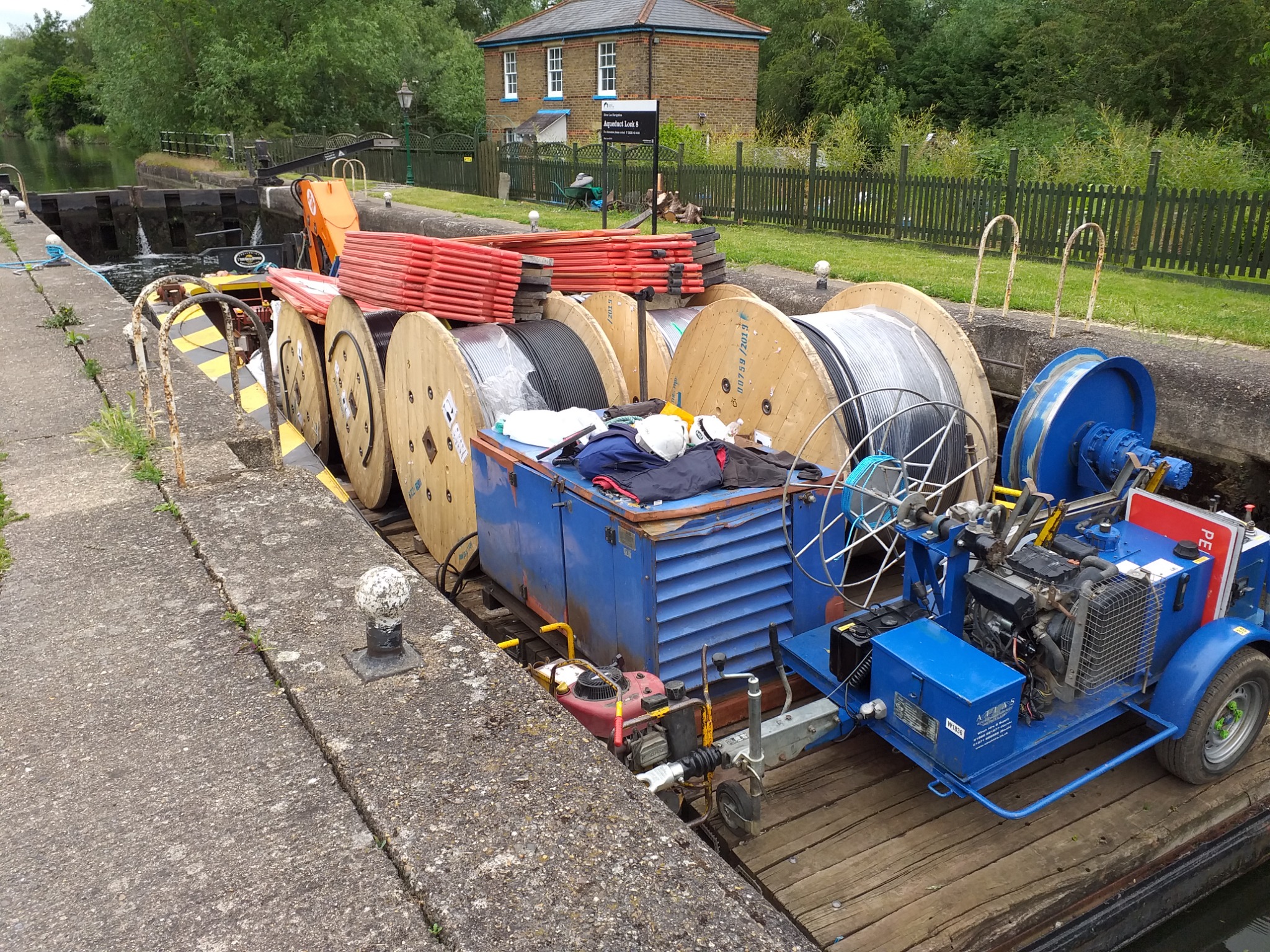
Large cable reels, installation equipment and temporary works materials can be loaded at a suitable access point and carried directly along the navigation. The vessel becomes both transport and a stable working base, keeping heavy or bulky loads away from narrow public routes.
Cable reels · plant · tools · temporary works
Two-way logistics
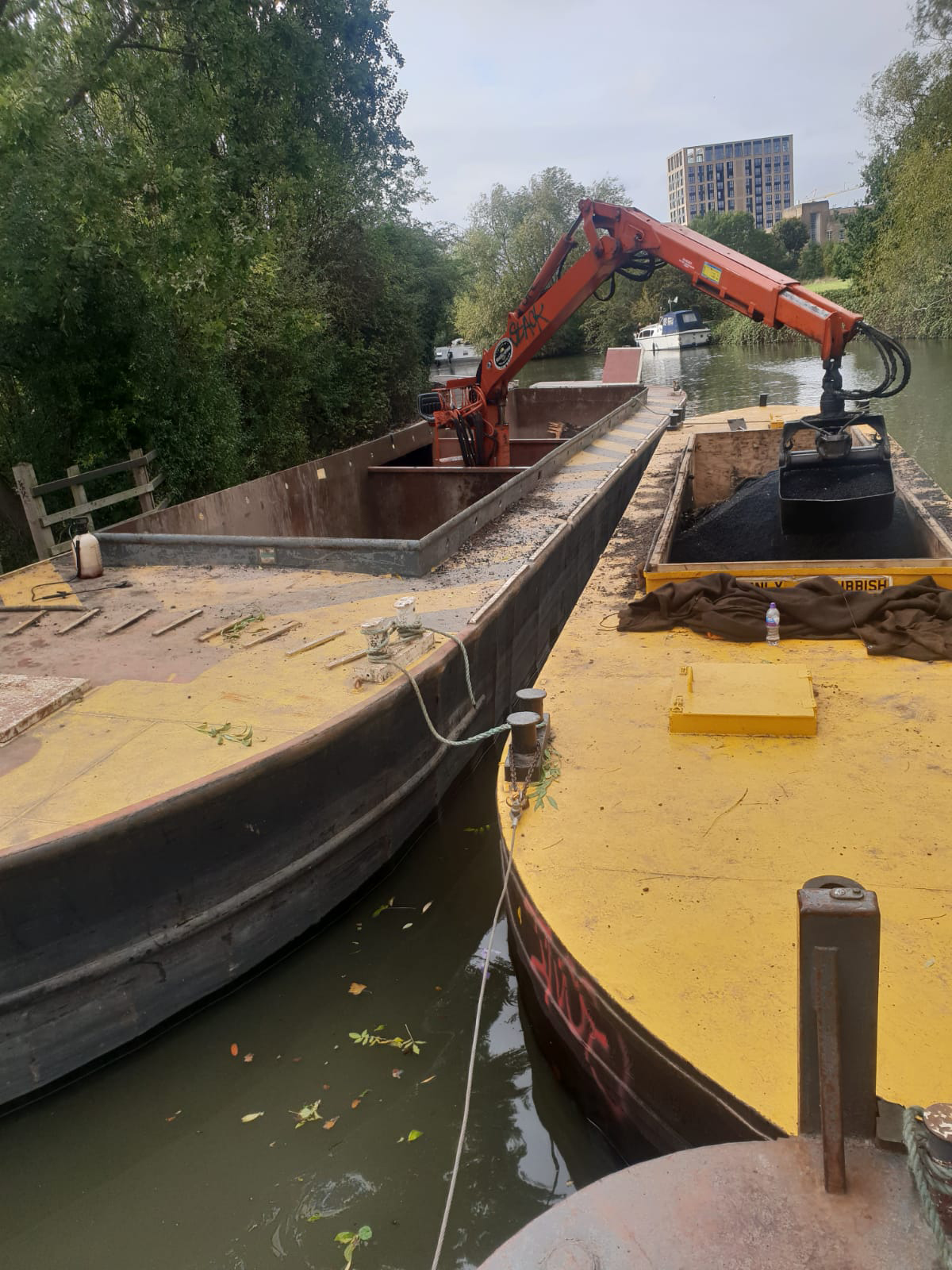
Waterborne logistics can serve both directions of the operation. Hoppers deliver aggregates, tarmac and construction materials to otherwise inaccessible sections, then carry spoil, broken surfacing and waste away from the workface for onward handling.
This reduces repeated vehicle movements, avoids temporary haul routes along the towpath and keeps the marine resource productive throughout the programme.
Typical applications
Involve us early
Send us the route, likely access points, loads, programme and working assumptions. We can help identify how the waterway can support the moving workface and what space or laydown arrangements should be retained.
Discuss a utilities or towpath project ↗