Test the route
Confirm suitable loading points, waterway dimensions, destinations, handling arrangements and the practical capacity of the operation.
 Discuss a project ↗
Freight, waste & logistics
WHH plans and operates water freight and construction logistics by barge for materials, excavated material, waste and prefabricated components—turning canals and navigable rivers into dependable routes to constrained sites.
Freight that works for the programme
A barge can solve more than the journey.
Where road access, delivery slots and laydown space are restricted, the vessel can carry substantial loads directly to the waterside workface and remain alongside until the material is needed.
WHH develops the complete operation: loading and unloading points, vessel selection, lifting and transfer arrangements, navigation, crew and coordination with the site programme. The result can be a one-off specialist delivery or a repeat service integrated with everyday site logistics.
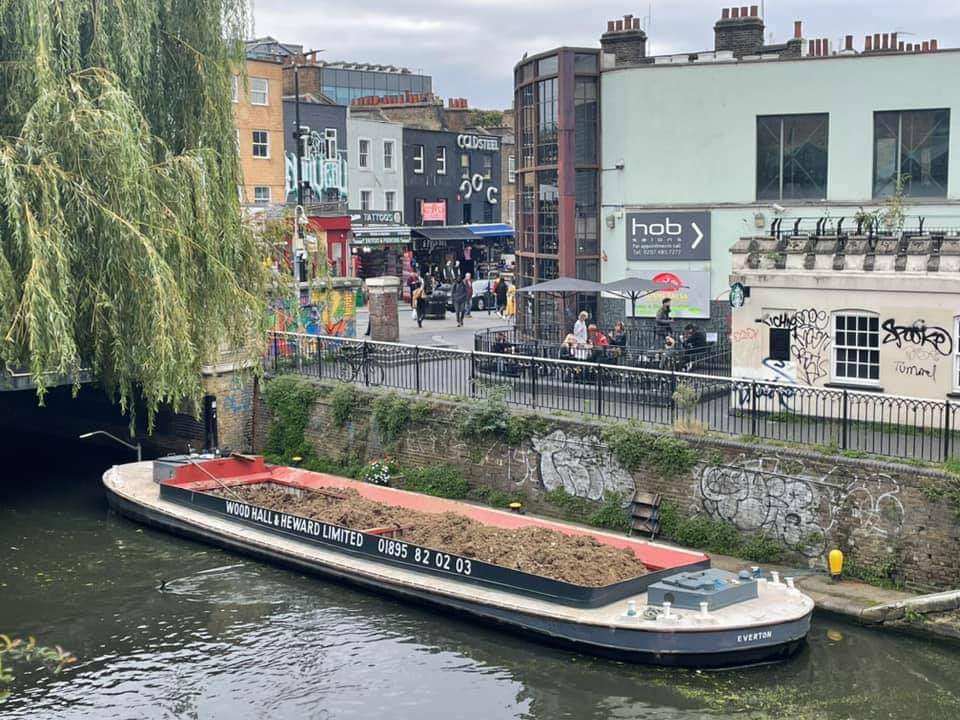
Regent's Wharf · Byrne Bros.
WHH removed approximately 3,500 tonnes of muck and piling arisings from the Regent's Wharf project in fewer than 75 barge loads.
Moving the material by water replaced repeated road haulage from a constrained central London site and allowed large volumes to leave in planned consignments using the canal immediately beside the works.
Muck away · piling arisings · high-capacity barge movements
Building the operation
Water freight works best when access, transfer and programme requirements are considered together at an early stage.
Confirm suitable loading points, waterway dimensions, destinations, handling arrangements and the practical capacity of the operation.
Coordinate suppliers, lifting plant, site teams and onward handling so each barge movement fits the wider construction programme.
Hold packaged materials or prefabricated components afloat until required, reducing pressure on constrained site storage and access.
Provide the required vessels, crews and day-to-day coordination for one-off deliveries or dependable repeat traffic.
Materials in. Arisings out.
Packaged goods, loose bulk materials, prefabricated elements and regular waste traffic all call for different handling and operating arrangements.
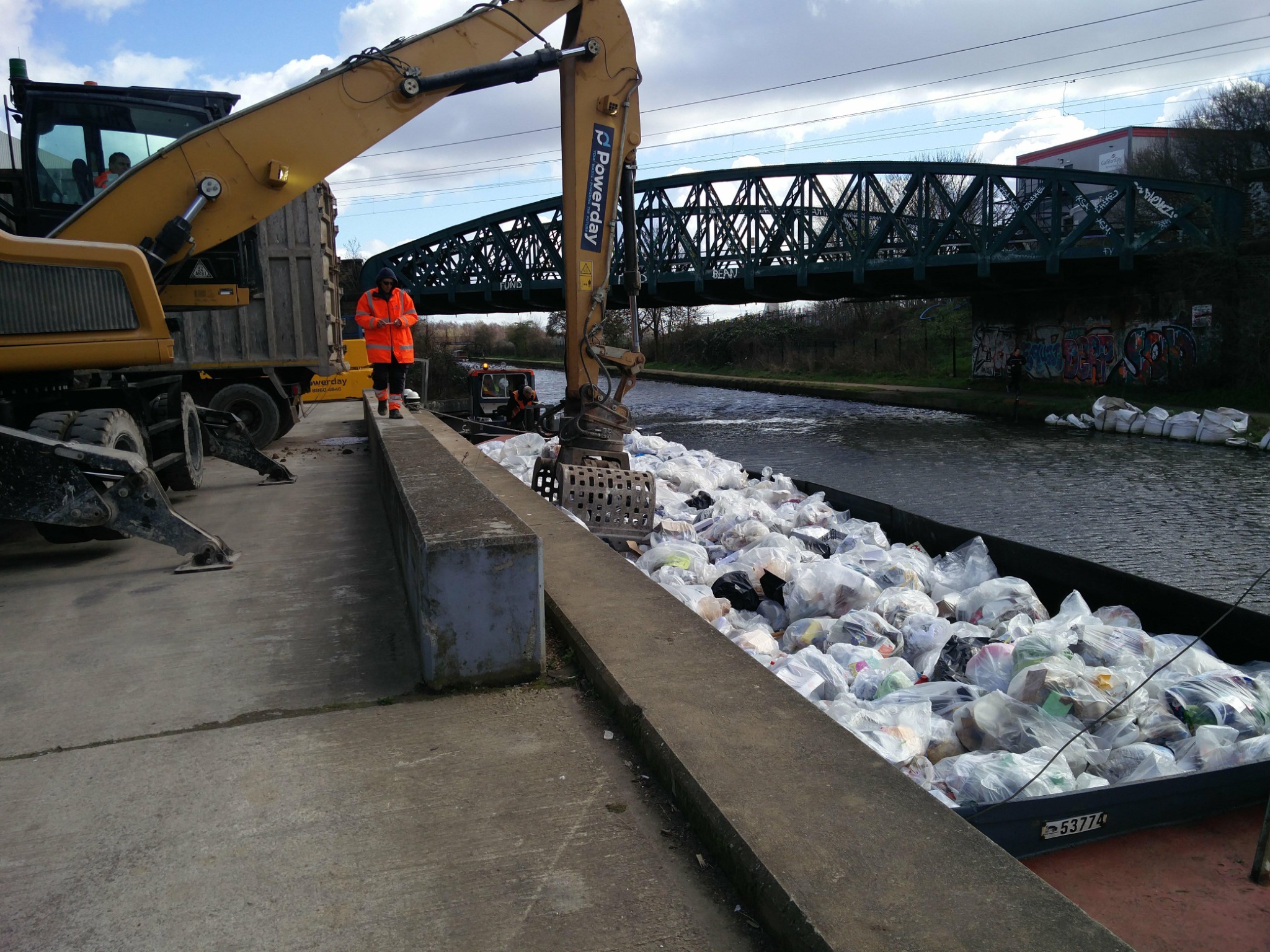
Camden Market · scheduled freight
WHH carried bulk dry mixed recycling from Camden Market to Powerday, loading within the listed covered dock at Interchange Basin and using a historic Regent's Canal barge for maximum volume. The successful service ran until 2026, when Interchange Basin became unavailable for operational use.
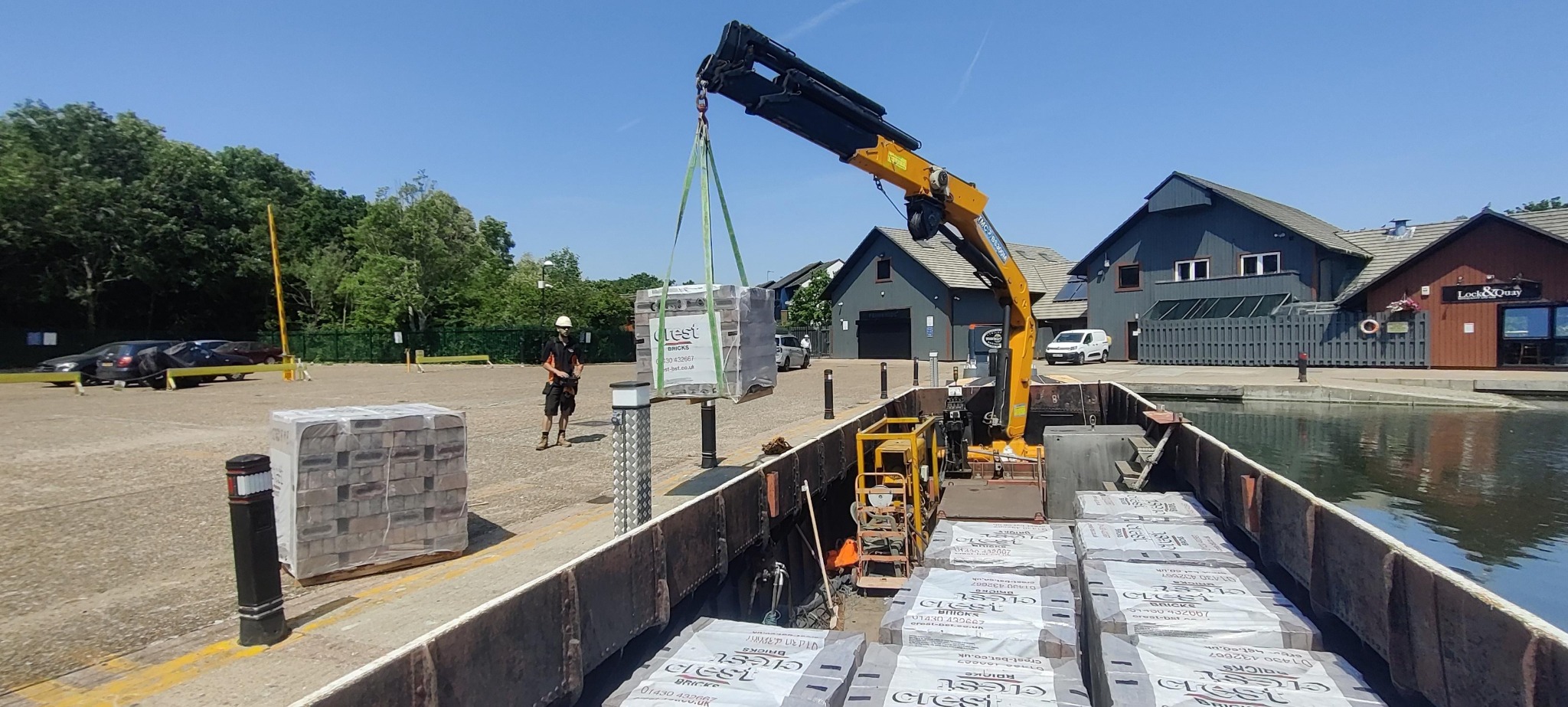
McAleer & Rushe
With road access and site space constrained, bricks were loaded onto a WHH barge and delivered by water. The vessel could remain alongside as floating storage, releasing valuable space ashore and simplifying the site's delivery sequence.
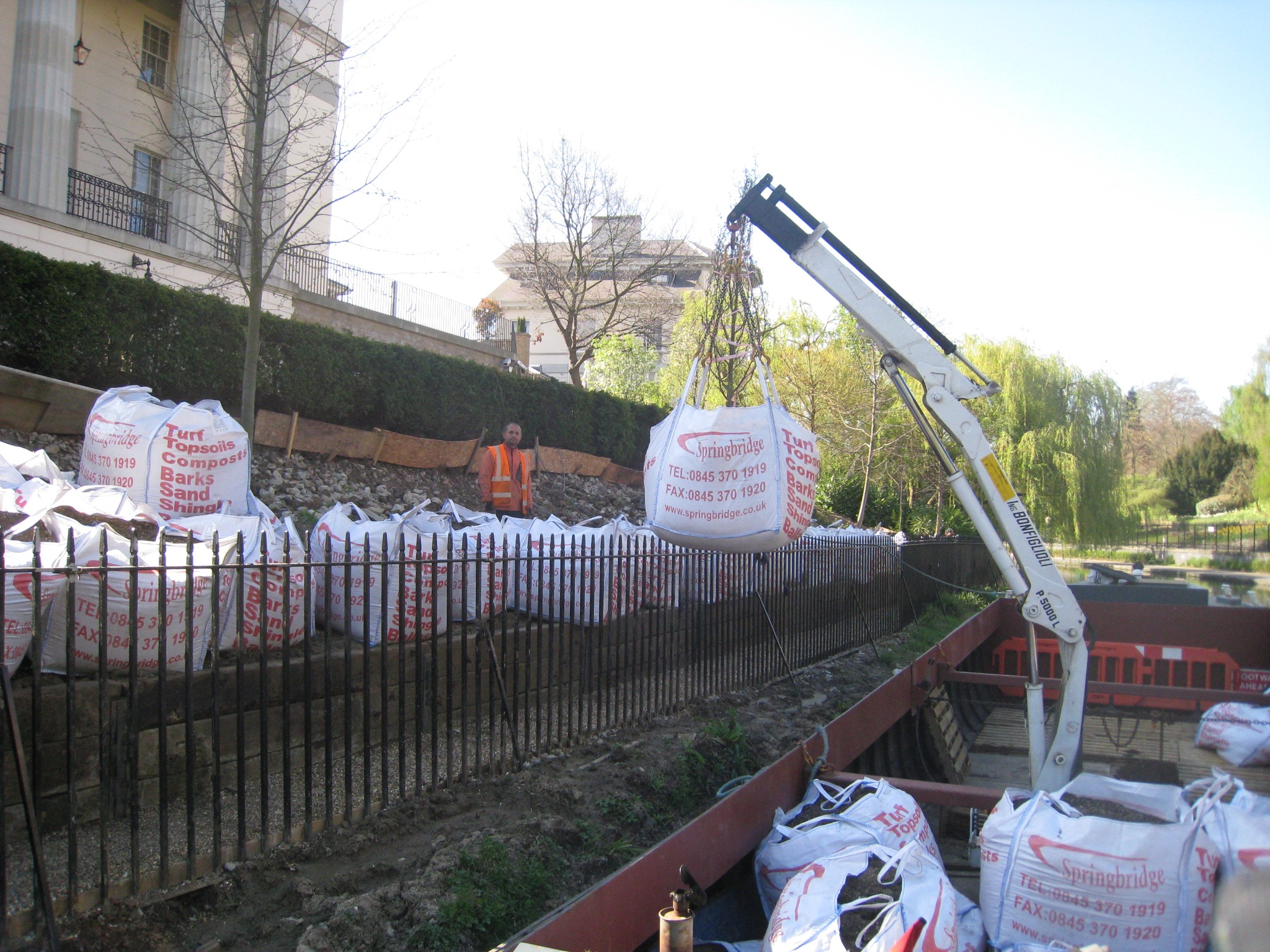
Regent's Park
One-tonne bags of topsoil were carried to the worksite and lifted directly from the boat into the park, avoiding repeated handling along restricted land routes.
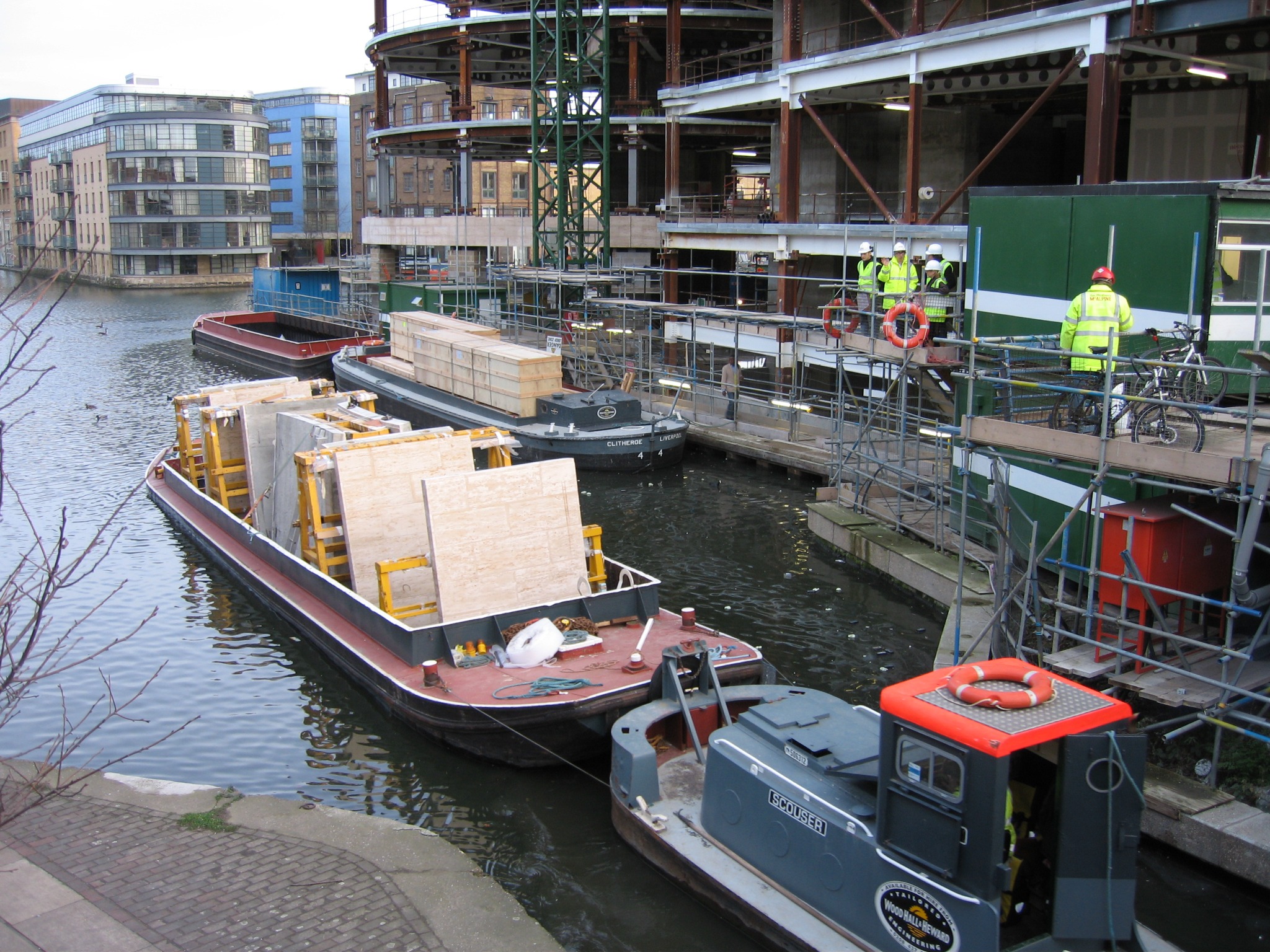
King's Cross · offsite construction
Prefabricated building components were delivered by barge to a highly constrained King's Cross site. Water access made offsite construction methods practicable where road delivery, turning and temporary storage would otherwise have been difficult.
The required vessels also created an orderly floating delivery queue beside the workface, allowing components to be transferred into the building sequence as they were needed.
Prefabrication · sequenced delivery · floating storage
Typical applications
Plan for water early
Send us the site, material, likely quantities, programme and possible loading or destination points. We can test the practical route, likely payloads and handling method before the logistics plan becomes fixed.
Discuss a freight or logistics operation ↗